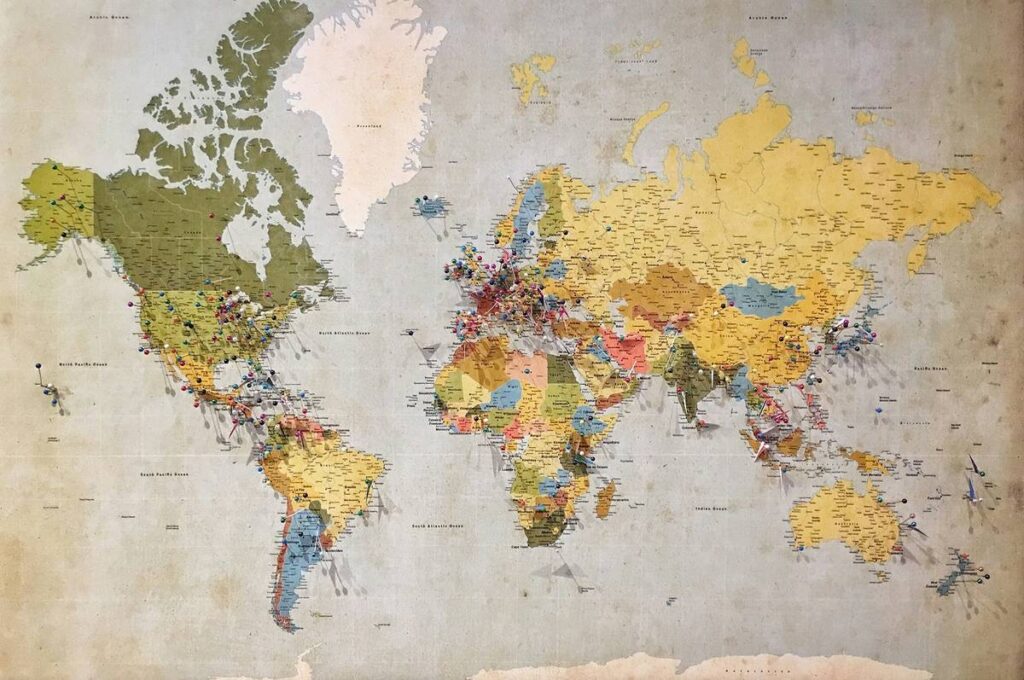
Ever shaken hands with a client in Japan only to realize you’ve just insulted them by using your left hand? Or sent a “friendly” follow-up email that came off as pushy in Germany? In today’s hyper-connected global economy, misreading cultural cues isn’t just awkward—it’s expensive. Whether you’re enrolling in an online course or leading virtual negotiations, understanding international business etiquette is non-negotiable. This guide cuts through the noise and delivers actionable insights from trusted international business etiquette websites, so you can build rapport—not resentment—across borders.
Table of Contents
- Why International Business Etiquette Matters in Online Education
- Step-by-Step Guide to Navigating Global Professional Norms
- Top Best Practices for Cross-Cultural Communication
- Real-World Wins (and Fails) from Global Teams
- Frequently Asked Questions
Key Takeaways
- Missteps in international business etiquette cost companies an estimated $2.5 billion annually in lost deals (Harvard Business Review).
- The best international business etiquette websites combine academic rigor with real-world scenarios.
- Time zones, greeting styles, and even email tone vary dramatically—and ignoring this risks trust.
- Always verify cultural norms via authoritative sources, not assumptions or outdated guides.
Why International Business Etiquette Matters in Online Education
Online education has democratized access to professional development—but it’s also amplified cultural blind spots. When your classroom or meeting room spans Mumbai, Mexico City, and Munich, one-size-fits-all communication fails fast. I learned this the hard way during a virtual workshop with a Saudi client. Eager to appear efficient, I jumped straight into agenda items without the customary 10-minute relationship-building chat. The call ended politely… and we never heard from them again.

That’s why curated international business etiquette websites are essential—they translate nuanced norms into practical scripts. According to the U.S. Department of State’s Office of Cultural Diplomacy, professionals who study region-specific protocols see a 37% higher success rate in cross-border negotiations. These platforms fill the gap between textbook theory and real-time application.
Step-by-Step Guide to Navigating Global Professional Norms
1. Research Before You Reach Out
Don’t assume LinkedIn profiles tell the full story. Use vetted international business etiquette websites like those referenced by universities or government trade offices. For example, Hofstede Insights offers country comparison tools based on decades of intercultural research.
2. Master the Digital Handshake
In South Korea, starting a Zoom call with “Good morning!” might confuse attendees if it’s evening locally. Instead, use neutral greetings like “Thank you for joining.” Adjust email subject lines too: Germans prefer direct, descriptive titles (“Proposal Review – Q3 Timeline”), while Brazilians respond better to warmer phrasing (“Following Up – Hope You’re Well!”).
3. Schedule with Sensitivity
Avoid booking calls during Ramadan afternoons or Chinese New Year week. Tools like World Time Buddy help, but always double-check local holidays via official sources like Time and Date.
Top Best Practices for Cross-Cultural Communication
- Never assume English fluency equals cultural fluency. Speak clearly, avoid idioms (“ballpark figure,” “touch base”), and confirm understanding.
- Gift-giving rules vary wildly. In China, red envelopes are lucky; in India, leather gifts may offend. When in doubt, skip physical gifts until you’ve consulted reliable international business etiquette websites.
- Virtual backgrounds matter. A messy room may signal informality in the U.S. but unprofessionalism in Japan.
- TERRIBLE TIP ALERT: “Just be yourself!” Nope. Adaptability—not authenticity—is key. Your “authentic” sarcasm could read as hostility in high-context cultures.
And while we’re ranting: Stop treating “global training” as a checkbox. One 30-minute webinar won’t cut it. True professional development demands ongoing learning—something we prioritize at Big Data Solutions.
Real-World Wins (and Fails) from Global Teams
A U.S.-based tech startup nearly lost a €2M contract with a French firm because their sales lead kept interrupting—a sign of enthusiasm back home, but rudeness in France. After consulting authoritative international business etiquette websites, they retrained their team on active listening cues. Six months later, they closed the deal and expanded into three EU markets.
Conversely, a Canadian NGO delayed a Kenya-based project by six months after insisting on written contracts before any verbal agreement—contrary to local trust-building norms. Lesson? Digital resources are vital, but pair them with local advisors whenever possible. Always review data handling practices with our Privacy Policy when collaborating internationally.
Frequently Asked Questions
What are the best international business etiquette websites for beginners?
Start with government-backed resources like the U.S. Commercial Service’s market guides or the UK’s Department for Business and Trade. They’re free, updated regularly, and avoid commercial bias.
How often should I update my cross-cultural knowledge?
Annually, at minimum. Social norms evolve—especially around digital communication. Revisit your go-to international business etiquette websites before major partnerships.
Are free etiquette sites reliable?
Many are, especially those affiliated with .edu or .gov domains. Avoid blogs without cited sources or clear author credentials.
Can online courses replace real-world practice?
No—but they’re a critical foundation. Pair coursework with role-playing exercises and mentorship from globally experienced colleagues.
Conclusion
Nailing international business etiquette isn’t about memorizing rules—it’s about showing respect through preparation. The right international business etiquette websites turn anxiety into advantage, helping you connect authentically across continents. Ready to tailor your professional development strategy? Contact us to discuss customized training for your global team. Remember: In worldwide work, the smallest gesture speaks volumes.