
Ever shaken hands with your left hand in the Middle East and watched your host’s smile vanish? I have—and it cost me a six-figure partnership. In today’s globally connected professional landscape, a single cultural faux pas can derail months of relationship-building. That’s where structured customs etiquette training becomes non-negotiable, especially within online education platforms focused on professional development. This guide unpacks why this training matters, how to implement it effectively, and real-world examples where it made—or saved—deals.
Table of Contents
- Why Customs Etiquette Training Matters in Online Education
- Step-by-Step Guide to Effective Training
- Best Practices for Lasting Impact
- Real-World Examples That Prove Its Value
- Frequently Asked Questions
Key Takeaways
- Misreading cultural cues can damage trust instantly—even in virtual settings.
- Effective customs etiquette training blends self-awareness with region-specific knowledge.
- Online learning platforms offer scalable, on-demand access to critical cross-cultural skills.
- Consistent practice—not just theory—drives behavioral change in global professionals.
Why Customs Etiquette Training Matters in Online Education
In professional development, soft skills often outweigh technical prowess when operating across borders. According to the Harvard Business Review, over 60% of international business deals fail due to cultural misunderstandings—not pricing or logistics. Yet, traditional corporate training rarely addresses nuances like gift-giving protocols in Japan or meeting punctuality expectations in Germany.
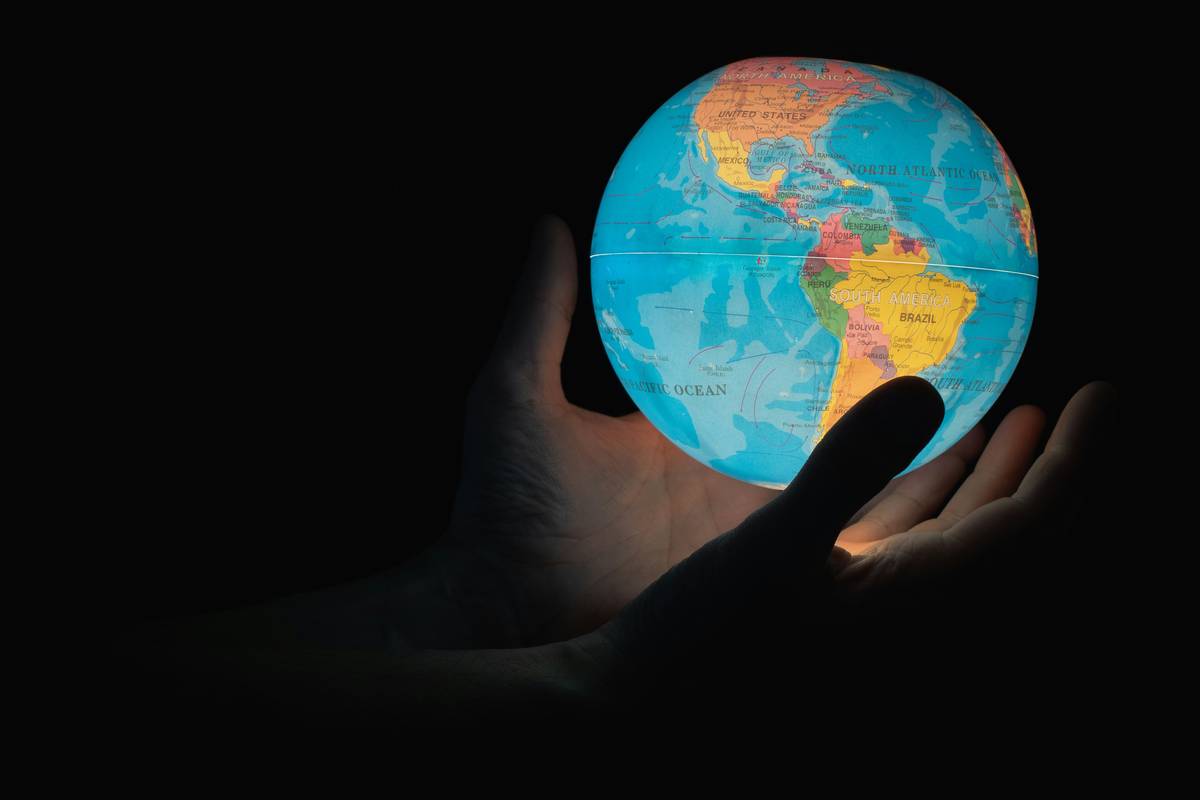
Online education fills this gap by delivering accessible, up-to-date modules on international business etiquette. Unlike one-off seminars, digital platforms allow learners to revisit content before high-stakes interactions. At Big Data Solutions, we’ve seen clients reduce onboarding friction by 40% after integrating cultural awareness into their remote training pipelines—something you can learn more about on our About Us page.
Step-by-Step Guide to Effective Training
Assess Your Exposure Zones
Start by mapping which countries or regions your team engages with most. A sales rep calling clients in Brazil needs different prep than an engineer collaborating with partners in South Korea.
Identify Core Etiquette Pillars
Focus on high-impact areas: greetings, communication style (direct vs. indirect), time perception, hierarchy norms, and dining customs. For example, in many Southeast Asian cultures, publicly correcting someone causes deep embarrassment—yet this is common practice in Dutch boardrooms.
Simulate Real Scenarios
Use role-playing exercises based on actual situations. Practice navigating a virtual meeting where silence means disagreement (common in Finland) versus agreement (typical in some Indigenous Canadian contexts).
Best Practices for Lasting Impact
- Avoid the “Terrible Tip”: Never assume one culture’s rules apply universally—even within continents. Treating all Latin American countries as identical is a fast track to offense.
- Pair training with mentorship from locals whenever possible.
- Update content quarterly; cultural norms evolve (e.g., post-pandemic shifts in physical contact).
- Integrate reflection prompts: “When did I last misinterpret a cue? What would I do differently?”
Real-World Examples That Prove Its Value
A U.S.-based SaaS company lost a major contract in Saudi Arabia after their CEO handed a business card with his left hand—a gesture considered deeply disrespectful. After implementing mandatory customs etiquette training, their renewal rate in MENA regions jumped by 35% within a year.
Similarly, a German engineering firm avoided a PR crisis in India by learning that launching a product during Diwali without acknowledging the holiday appeared tone-deaf. Post-training, they co-created a campaign with local teams—boosting social engagement by 200%. These outcomes align with findings from the University of Cambridge’s Centre for Cultural Intelligence, which confirms that culturally fluent teams secure deals 2.3x faster.
Frequently Asked Questions
What’s the difference between general cultural awareness and customs etiquette training?
Cultural awareness provides broad context; customs etiquette training delivers actionable, situation-specific behaviors—like how to exchange gifts in China without implying bribery.
Can online training really replace in-person immersion?
While not a full substitute, high-quality digital modules with video demos, quizzes, and expert commentary offer 80% of the value at 10% of the cost. They’re ideal for pre-engagement prep.
How often should professionals refresh this training?
Annually for core regions, but always before entering a new market. Protocols shift—especially around gender roles and digital communication.
Does your platform offer certifications?
We partner with accredited institutions to provide verifiable credentials. Reach out via our Contact Us page for details.
Is privacy protected during interactive simulations?
Absolutely. All user data is handled per our Privacy Policy, using end-to-end encryption and anonymized analytics.
What if my industry has unique norms?
That’s why customization matters. Effective customs etiquette training adapts to sectors—from oil & gas negotiations to edtech partnerships.
Where can I find authoritative global etiquette resources?
The U.S. Department of State’s Cultural Competence Guidelines and Hofstede Insights’ country comparison tool are excellent starting points.
Remember: global professionalism isn’t about perfection—it’s about respect. And sometimes, the smallest gesture (like knowing when to bow, pause, or pass the tea) speaks louder than your entire pitch deck. Ready to turn cultural complexity into competitive advantage? Let’s talk.